


Janmashtami 2026 is one of the best occasions to wear a saree because the garment can move easily between devotion, family tradition and festive fashion. Janmashtami saree styling often succeeds or fails at the jewellery stage. Peacock motifs, pearls, antique gold, kundan-inspired pieces, temple jewellery and coloured bangles can all work, but wearing every Krishna-inspired element together can make a refined saree feel costume-like.
This article builds jewellery around saree colour, neckline and event timing. It shows when to choose a choker, when earrings should lead, how many bangles are enough, and how to use peacock accents without overwhelming the look. The goal is not to follow every trend at once. A better approach is to choose one strong colour story, one comfortable drape and one hero detail—your blouse, jewellery, weave or pallu.
For Janmashtami, practical dressing matters. Many celebrations involve sitting for puja, walking through a temple queue, visiting relatives, taking photographs and staying dressed until late evening. So every idea below includes a comfort lens as well as a visual one.
How to choose a Janmashtami saree in 2026
Start with the setting. For a home puja, lighter silk, organza, soft georgette or a ready-to-wear saree can be easier than a very stiff or heavily embellished drape. For temple darshan, secure pleats and a controlled pallu matter more than dramatic volume. For an evening society programme, richer colour, sequins, zari or a stronger blouse can make sense.
Then choose colour according to lighting. Blue, green and deeper jewel tones become richer under warm evening lights. Yellow, cream, blush, pastel green and floral prints tend to feel fresh in daylight. If you expect both day and night events, use a medium-depth colour and change jewellery or makeup later.


15 saree ideas to try
1. Peacock earrings with blue saree
For look 1, let Peacock earrings with blue saree lead the styling. Match the jewellery scale to the blouse neckline: an ornate neckline needs lighter neck jewellery, while a plain blouse can support a stronger choker or layered chain. Keep one visual focal point so the Krishna-inspired detail feels refined rather than costume-like. Consider how long you will wear the piece; lightweight earrings often work better for temple queues and long family functions.
2. Antique gold with green silk
For look 2, let Antique gold with green silk lead the styling. Match the jewellery scale to the blouse neckline: an ornate neckline needs lighter neck jewellery, while a plain blouse can support a stronger choker or layered chain. Keep one visual focal point so the Krishna-inspired detail feels refined rather than costume-like. Consider how long you will wear the piece; lightweight earrings often work better for temple queues and long family functions.
3. Pearls with organza
For look 3, let Pearls with organza lead the styling. Match the jewellery scale to the blouse neckline: an ornate neckline needs lighter neck jewellery, while a plain blouse can support a stronger choker or layered chain. Keep one visual focal point so the Krishna-inspired detail feels refined rather than costume-like. Consider how long you will wear the piece; lightweight earrings often work better for temple queues and long family functions.


4. Kundan-style choker with yellow
For look 4, let Kundan-style choker with yellow lead the styling. Match the jewellery scale to the blouse neckline: an ornate neckline needs lighter neck jewellery, while a plain blouse can support a stronger choker or layered chain. Keep one visual focal point so the Krishna-inspired detail feels refined rather than costume-like. Consider how long you will wear the piece; lightweight earrings often work better for temple queues and long family functions.
5. Temple earrings with silk
For look 5, let Temple earrings with silk lead the styling. Match the jewellery scale to the blouse neckline: an ornate neckline needs lighter neck jewellery, while a plain blouse can support a stronger choker or layered chain. Keep one visual focal point so the Krishna-inspired detail feels refined rather than costume-like. Consider how long you will wear the piece; lightweight earrings often work better for temple queues and long family functions.
6. Bangles as the hero accessory
For look 6, let Bangles as the hero accessory lead the styling. Match the jewellery scale to the blouse neckline: an ornate neckline needs lighter neck jewellery, while a plain blouse can support a stronger choker or layered chain. Keep one visual focal point so the Krishna-inspired detail feels refined rather than costume-like. Consider how long you will wear the piece; lightweight earrings often work better for temple queues and long family functions.

7. Long chain with plain blouse
For look 7, let Long chain with plain blouse lead the styling. Match the jewellery scale to the blouse neckline: an ornate neckline needs lighter neck jewellery, while a plain blouse can support a stronger choker or layered chain. Keep one visual focal point so the Krishna-inspired detail feels refined rather than costume-like. Consider how long you will wear the piece; lightweight earrings often work better for temple queues and long family functions.
8. Statement jhumkas with high neck
For look 8, let Statement jhumkas with high neck lead the styling. Match the jewellery scale to the blouse neckline: an ornate neckline needs lighter neck jewellery, while a plain blouse can support a stronger choker or layered chain. Keep one visual focal point so the Krishna-inspired detail feels refined rather than costume-like. Consider how long you will wear the piece; lightweight earrings often work better for temple queues and long family functions.
9. Minimal studs for heavy saree
For look 9, let Minimal studs for heavy saree lead the styling. Match the jewellery scale to the blouse neckline: an ornate neckline needs lighter neck jewellery, while a plain blouse can support a stronger choker or layered chain. Keep one visual focal point so the Krishna-inspired detail feels refined rather than costume-like. Consider how long you will wear the piece; lightweight earrings often work better for temple queues and long family functions.


10. Floral jewellery for daytime
For look 10, let Floral jewellery for daytime lead the styling. Match the jewellery scale to the blouse neckline: an ornate neckline needs lighter neck jewellery, while a plain blouse can support a stronger choker or layered chain. Keep one visual focal point so the Krishna-inspired detail feels refined rather than costume-like. Consider how long you will wear the piece; lightweight earrings often work better for temple queues and long family functions.
11. Gold cuffs with ready drape
For look 11, let Gold cuffs with ready drape lead the styling. Match the jewellery scale to the blouse neckline: an ornate neckline needs lighter neck jewellery, while a plain blouse can support a stronger choker or layered chain. Keep one visual focal point so the Krishna-inspired detail feels refined rather than costume-like. Consider how long you will wear the piece; lightweight earrings often work better for temple queues and long family functions.
12. Coloured bangles with ivory saree
For look 12, let Coloured bangles with ivory saree lead the styling. Match the jewellery scale to the blouse neckline: an ornate neckline needs lighter neck jewellery, while a plain blouse can support a stronger choker or layered chain. Keep one visual focal point so the Krishna-inspired detail feels refined rather than costume-like. Consider how long you will wear the piece; lightweight earrings often work better for temple queues and long family functions.

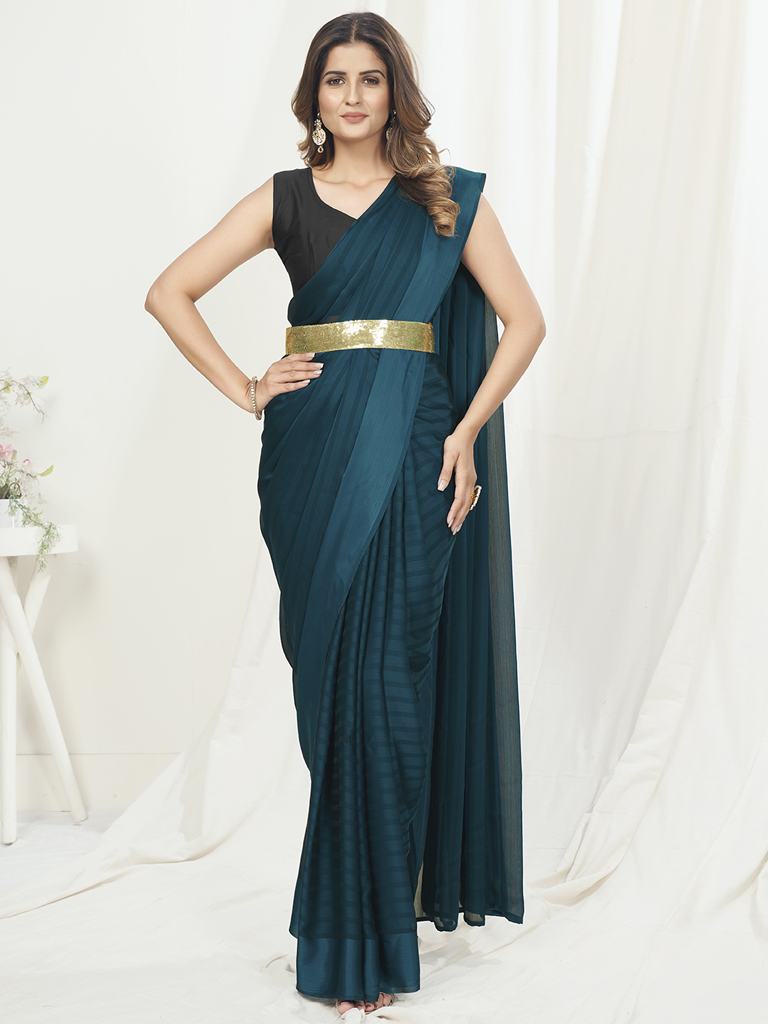
13. Pearl hair accents
For look 13, let Pearl hair accents lead the styling. Match the jewellery scale to the blouse neckline: an ornate neckline needs lighter neck jewellery, while a plain blouse can support a stronger choker or layered chain. Keep one visual focal point so the Krishna-inspired detail feels refined rather than costume-like. Consider how long you will wear the piece; lightweight earrings often work better for temple queues and long family functions.
14. Maang tikka for evening event
For look 14, let Maang tikka for evening event lead the styling. Match the jewellery scale to the blouse neckline: an ornate neckline needs lighter neck jewellery, while a plain blouse can support a stronger choker or layered chain. Keep one visual focal point so the Krishna-inspired detail feels refined rather than costume-like. Consider how long you will wear the piece; lightweight earrings often work better for temple queues and long family functions.
15. No-necklace styling with ornate blouse
For look 15, let No-necklace styling with ornate blouse lead the styling. Match the jewellery scale to the blouse neckline: an ornate neckline needs lighter neck jewellery, while a plain blouse can support a stronger choker or layered chain. Keep one visual focal point so the Krishna-inspired detail feels refined rather than costume-like. Consider how long you will wear the piece; lightweight earrings often work better for temple queues and long family functions.

Fabric guide: silk, organza, georgette or ready-to-wear?
Silk gives the most ceremonial finish and is ideal when you want a traditional look with temple jewellery or a structured blouse. Organza feels lighter visually and is especially good for floral, pearl and thread-work ideas, though it needs careful pleating. Georgette is fluid and easier for movement, making it useful for society programmes or younger wearers. Ready-to-wear and pre-stitched sarees reduce draping time and are practical when you need to get dressed quickly.


Blouse ideas that work for Janmashtami
For a blue saree, try yellow, green, ivory, pink or antique-gold blouse directions. Green sarees pair beautifully with rani pink, royal blue, gold and cream. Yellow sarees become more Krishna-inspired with peacock green or blue. If the saree is already embroidered, a cleaner blouse usually looks more expensive than matching heavy work everywhere.
Neckline choice should follow jewellery. A high neck can eliminate the need for a necklace. A square or scoop neck can support a choker. Elbow sleeves create a traditional temple-ready proportion, while a sleeveless blouse can keep organza or ready-to-wear drapes younger and lighter.


Jewellery, hair and makeup
Antique gold, pearls, kundan-inspired pieces and peacock motifs all work for Janmashtami. Choose one hero element. If you wear peacock earrings, you probably do not need a peacock necklace, peacock bangles and peacock hair accessories too. For a heavy saree, earrings and bangles may be enough. For a simple saree, a choker or long temple-style necklace can add ceremony.
Hair can be a low bun, braid, soft waves or a neat ponytail depending on your blouse and pallu. Jasmine, small flowers or a decorative pin add a traditional note. Keep makeup fresh for daytime: defined eyes, even skin, a bindi and a lip that complements the saree. For evening, deepen the lip or eye definition rather than adding more jewellery.


How to drape for comfort during puja
Make the waist tuck secure before forming pleats. Use fewer, cleaner pleats rather than a very wide fan if you will walk a lot. Pin the shoulder pallu from the inside so the pin does not become the visual focus. If you plan to sit on the floor, test the saree at home by sitting and standing once before leaving. This catches loose pleats, overly long hems and blouse fit problems early.
Choose footwear you can remove easily at temples and that remains comfortable for standing. A small potli or compact sling is easier than carrying a large handbag with a saree. Keep safety pins, tissues and lipstick in the bag rather than overpacking.

Shopping and product-selection checklist
When choosing a saree online, check the fabric, blouse information, colour description, work type and whether the drape is ready-to-wear or traditional. Product photography can look different under studio lighting, so read the written description instead of judging colour only from one image. If you need the saree for a specific event date, confirm delivery timing before ordering.
The ClothsVilla product references in this guide are active catalog examples used for styling inspiration. Availability, colours and variants can change, so open the product page for the current live details before purchasing.
Janmashtami saree FAQs
Which saree colour is best for Janmashtami?
Krishna blue, peacock green, yellow, pink and ivory are all strong options. Choose the colour that suits your celebration timing and what you can style comfortably.
Can I wear a modern saree for Janmashtami?
Yes. Ready-to-wear, pre-stitched, organza and lighter georgette sarees can be appropriate when the styling remains festive and respectful of the setting.
What jewellery looks best with a blue or green Janmashtami saree?
Antique gold, pearls, kundan-inspired pieces and restrained peacock motifs work well. Use one dominant jewellery element rather than several competing statement pieces.
How do I keep a saree comfortable for temple darshan?
Pin the shoulder pallu, secure the waist tuck, keep the hem off the floor and choose lighter jewellery and easy footwear. Test sitting and walking before leaving home.
Can I reuse the saree after Janmashtami?
Absolutely. Blue, green, yellow, organza, silk and ready-to-wear sarees can be restyled for Navratri, Diwali, weddings, receptions and family functions by changing the blouse and accessories.
Final styling formula
Choose the setting first, then the saree fabric, then the colour story. Add one hero detail—blouse, jewellery, weave, print or pallu—and let everything else support it. Secure the drape, keep movement easy, and make sure the outfit still feels like you after several hours. That is the difference between a look that photographs well for five minutes and a Janmashtami outfit you genuinely enjoy wearing.
Editorial note: Product references link to ClothsVilla. Live product availability and variant details can change.